
Gloves, Boots and Head Guards: A First-Timer’s Kit Guide
What kit do you need when you start boxing? Our coaches and fighters on glove sizes, boxing boots and head guards, straight from the Midnight Mayhem training chat.
Most of our Midnight Mayhem fighters had never boxed before this year, so one of the first questions in the training chat was the obvious one: what do I actually need to buy? Here’s what the coaches and fighters told each other.
Gloves: think 16oz
When Steve Mayes asked where to get gloves and what type, the answers came fast. Coach Jon Arnold kept it simple:
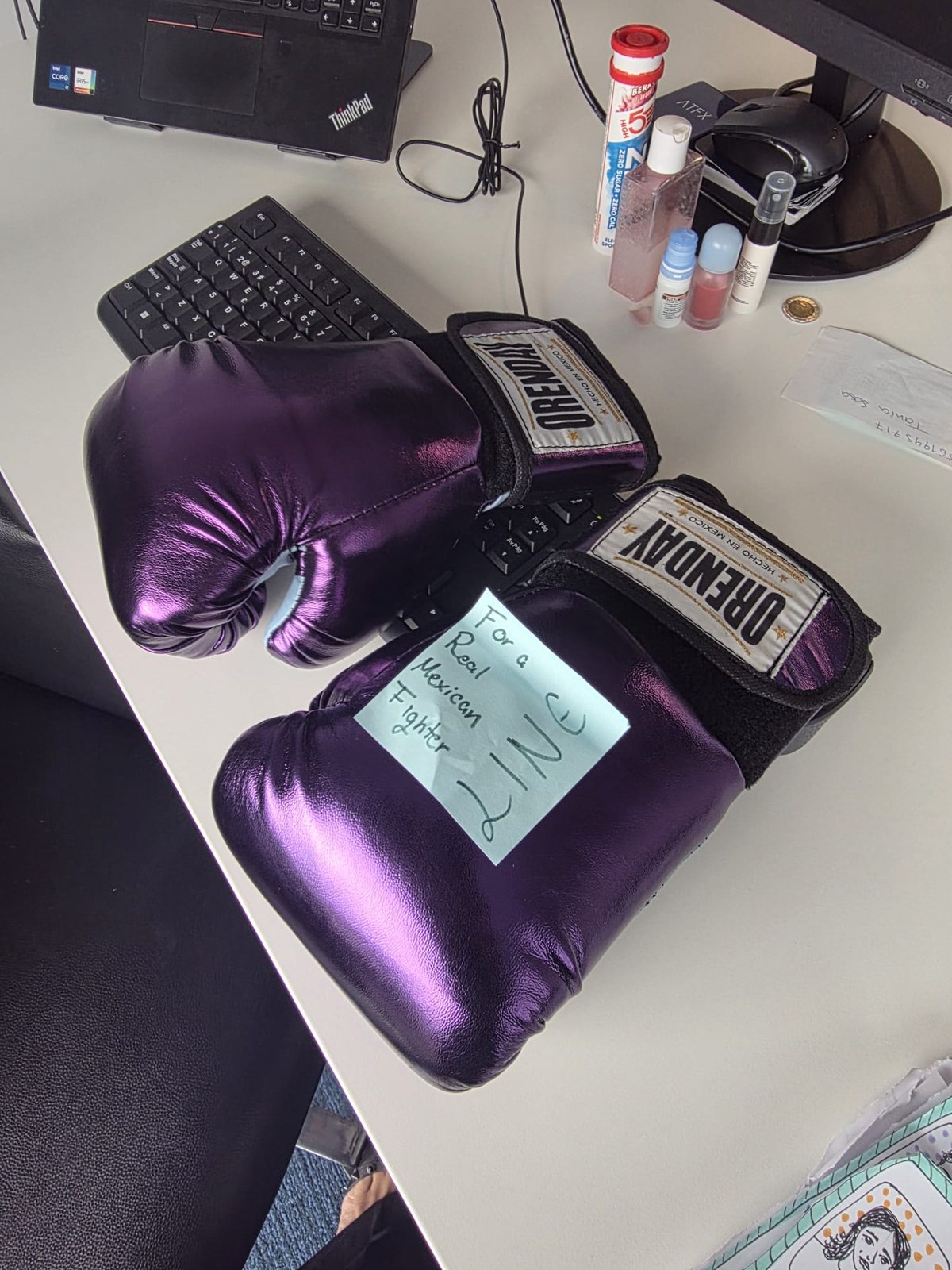
“Any decent 16oz gloves will suffice. Velcro, not laces. Online or in a shop, whatever’s easiest. The range of cost is massive, but so long as you’re not spending under €40 they will be adequate. More importantly, you won’t be allowed to spar in less than 16oz gloves in any reputable gym.”
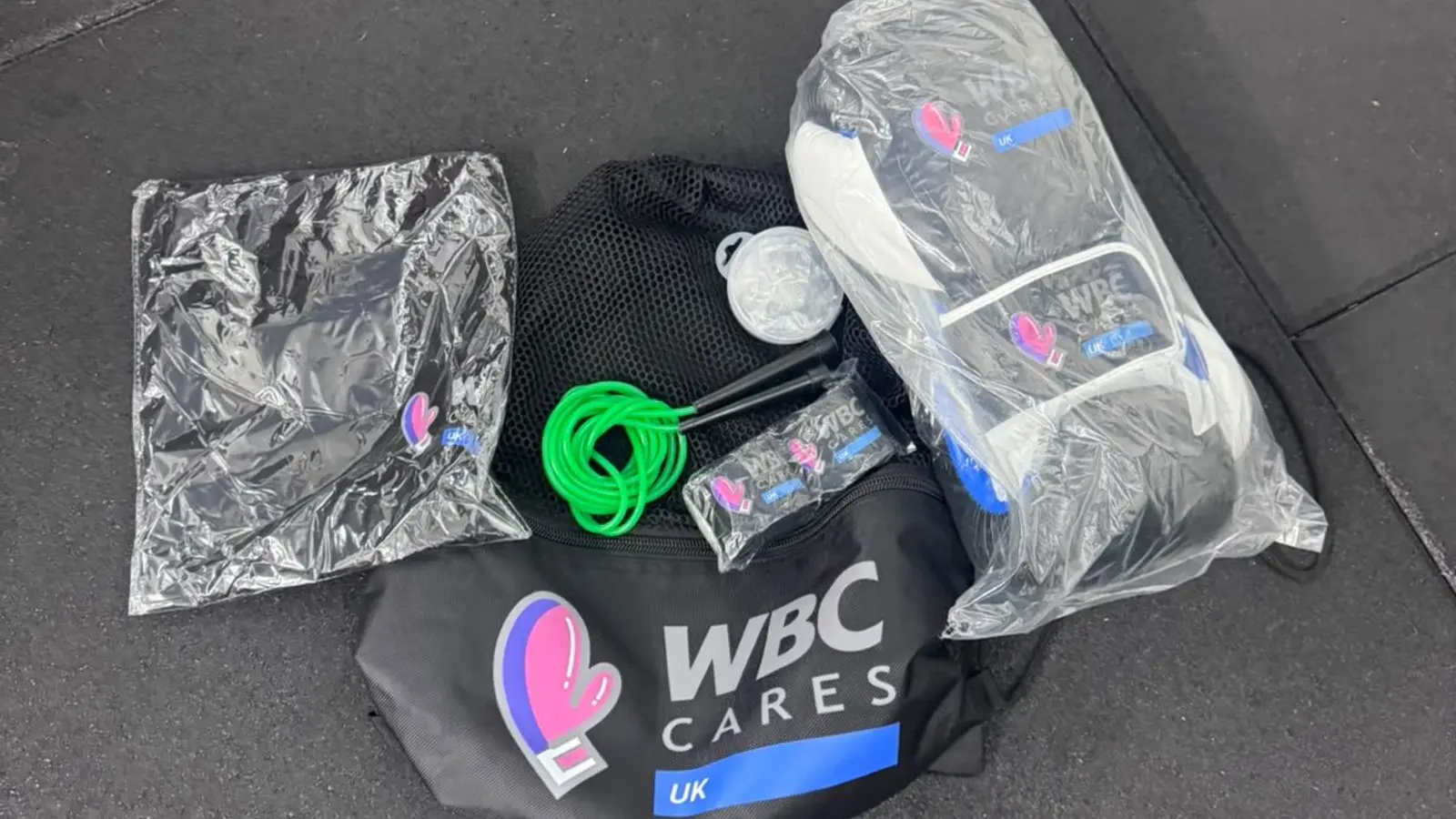
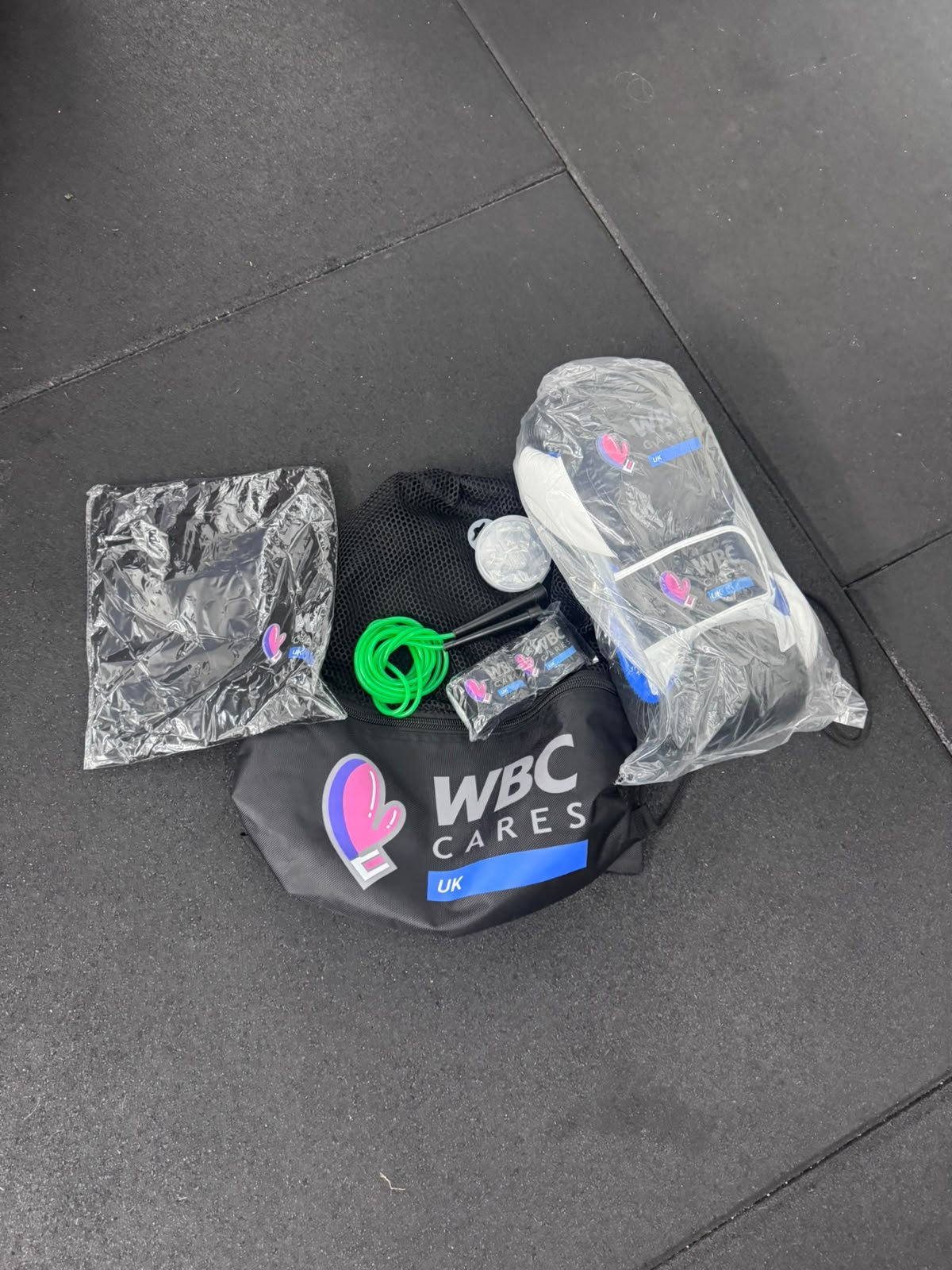
Some fighters keep two pairs: lighter 10oz gloves for pads and bag work, and 16s for sparring. And when the team arrived in Lisbon, WBC Cares UK made sure everyone was covered, handing out 12oz WBC Cares gloves, hand wraps, gumshields, skipping ropes, training tops and mesh bags for the fighters to keep.
Boots: same size as your trainers
Next came boots. Lee wears the same size as his trainers and has had his Reeboks for around eight years: “They are totally worth the investment, especially for the next five months of training.” Kevin Reid found his first pair came up small, so check the size guide. BTG coach Daryl’s tip: Nike are making some of the best boots on the market, and the Nike Tawa, actually a wrestling boot, is one of the most used boxing boots around.
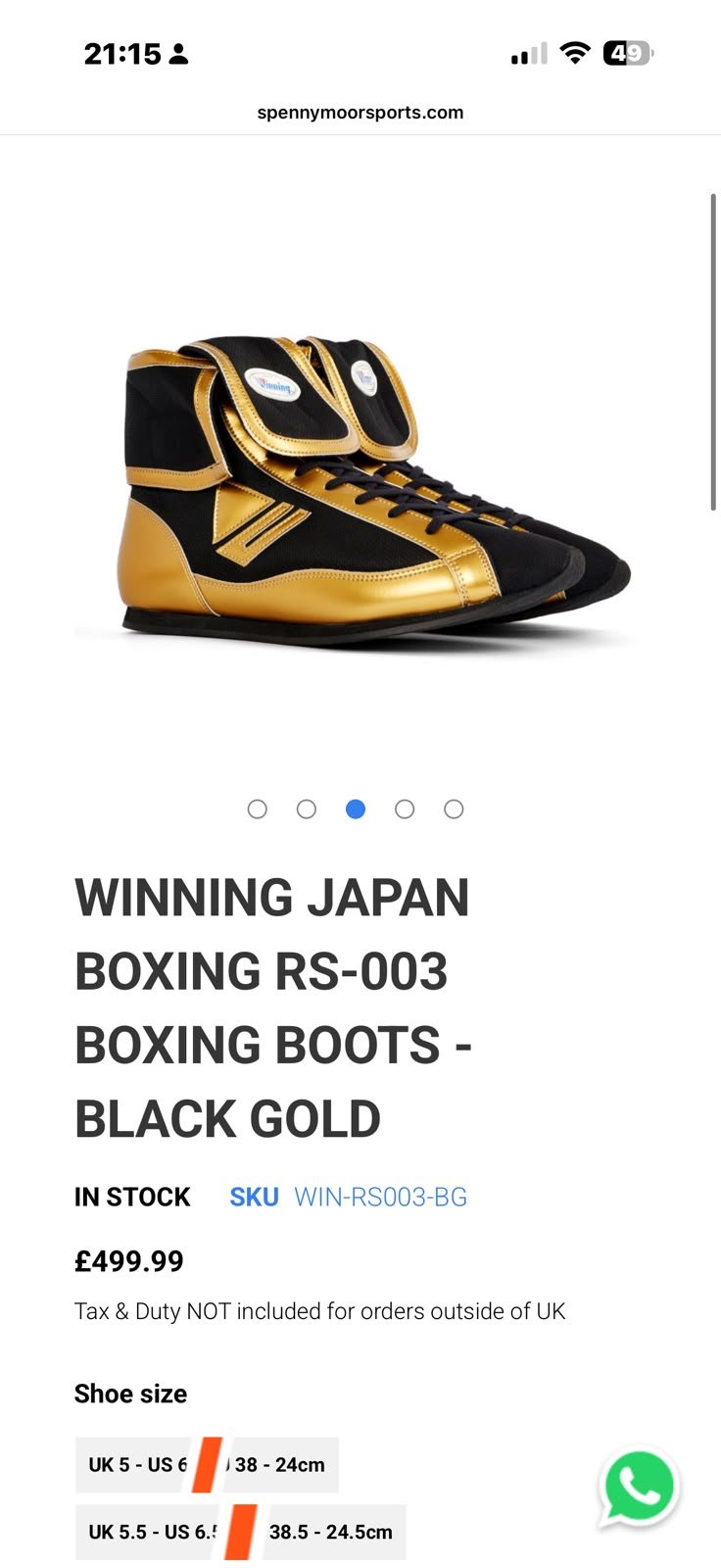
Then Lee went browsing and found a pair of gold boots at a price that made everyone wince. “Cheap at half the price,” he said. Antonio’s verdict: “At that price I’ll fight in my trainers.” Richard Symonds summed up the feeling of a first-time boxer kitting out: “All the gear, no idea.”
Head guards: protect your face in training
Becky Johnson-Kent wanted to get used to sparring in the same kind of head guard she’ll fight in. Lee’s advice: in training you want more face protection so you don’t pick up injuries, while fight night uses an amateur competition head guard. On the night, fighters will wear blue or red head guards to match their corner.
The real secret
As Lee put it: “Ring time is key. You need to perfect the art of throwing punches and also taking punches.” The kit just gets you through the door. Meet the fighters putting it to work.